 Google


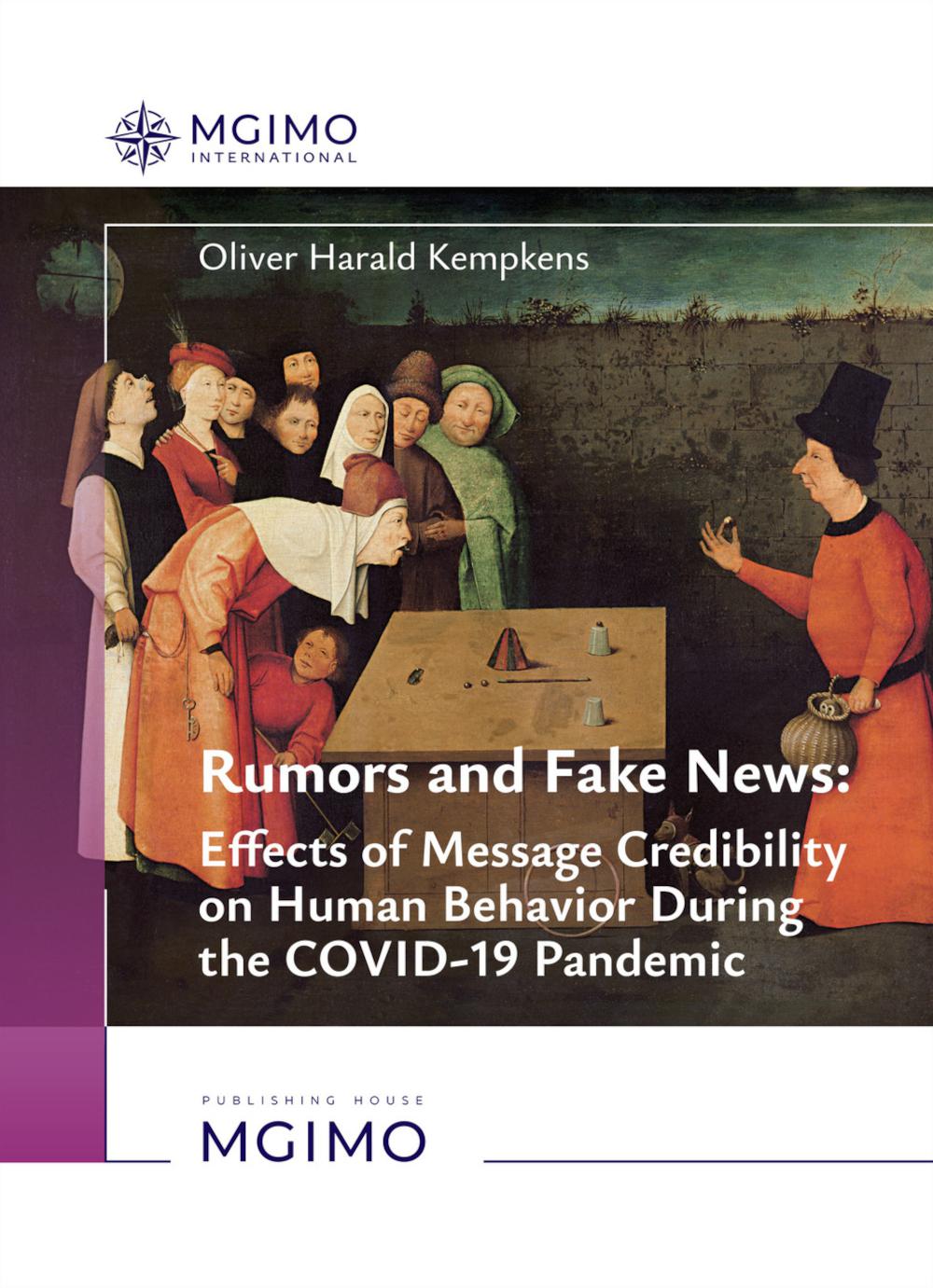
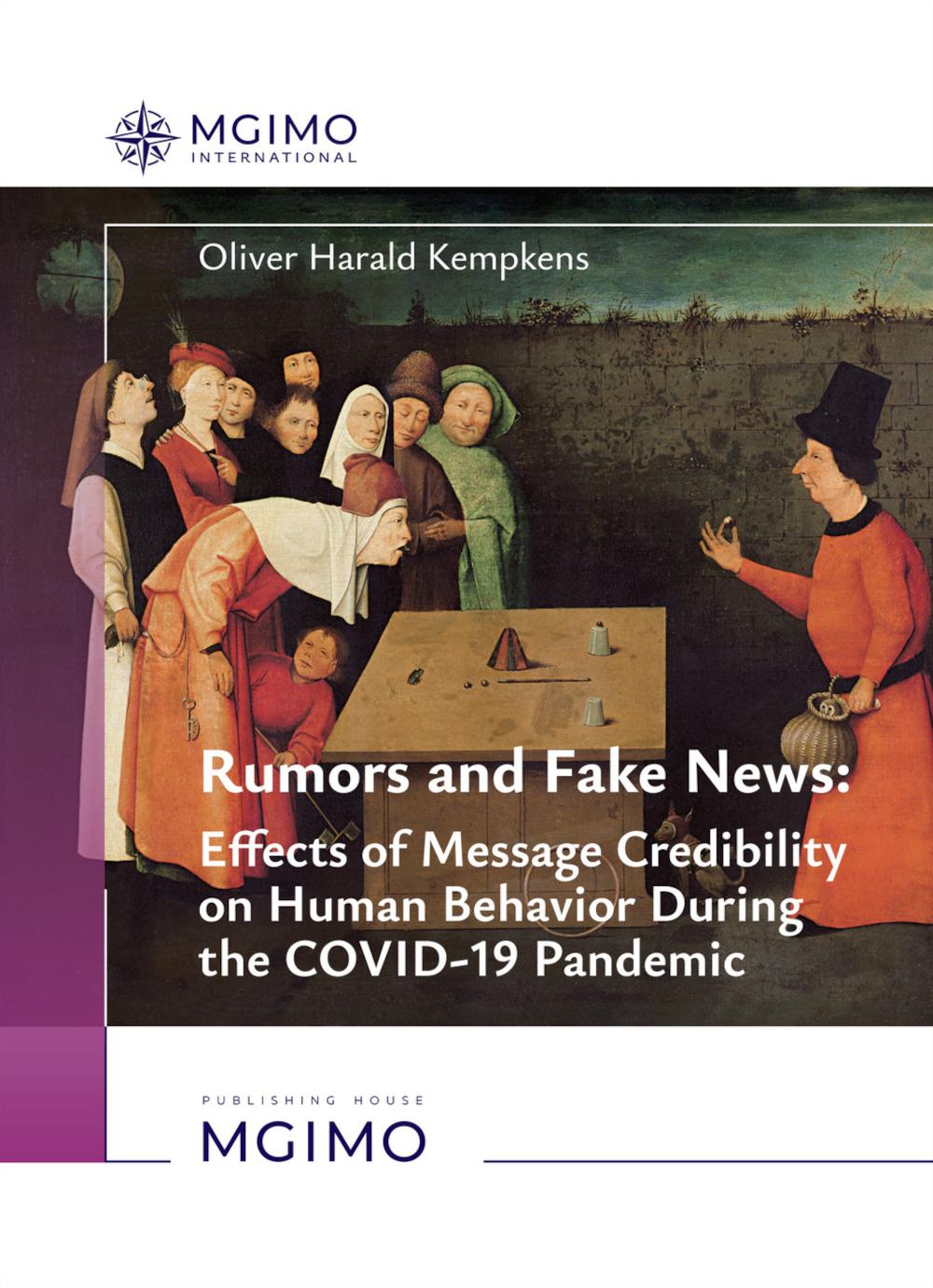
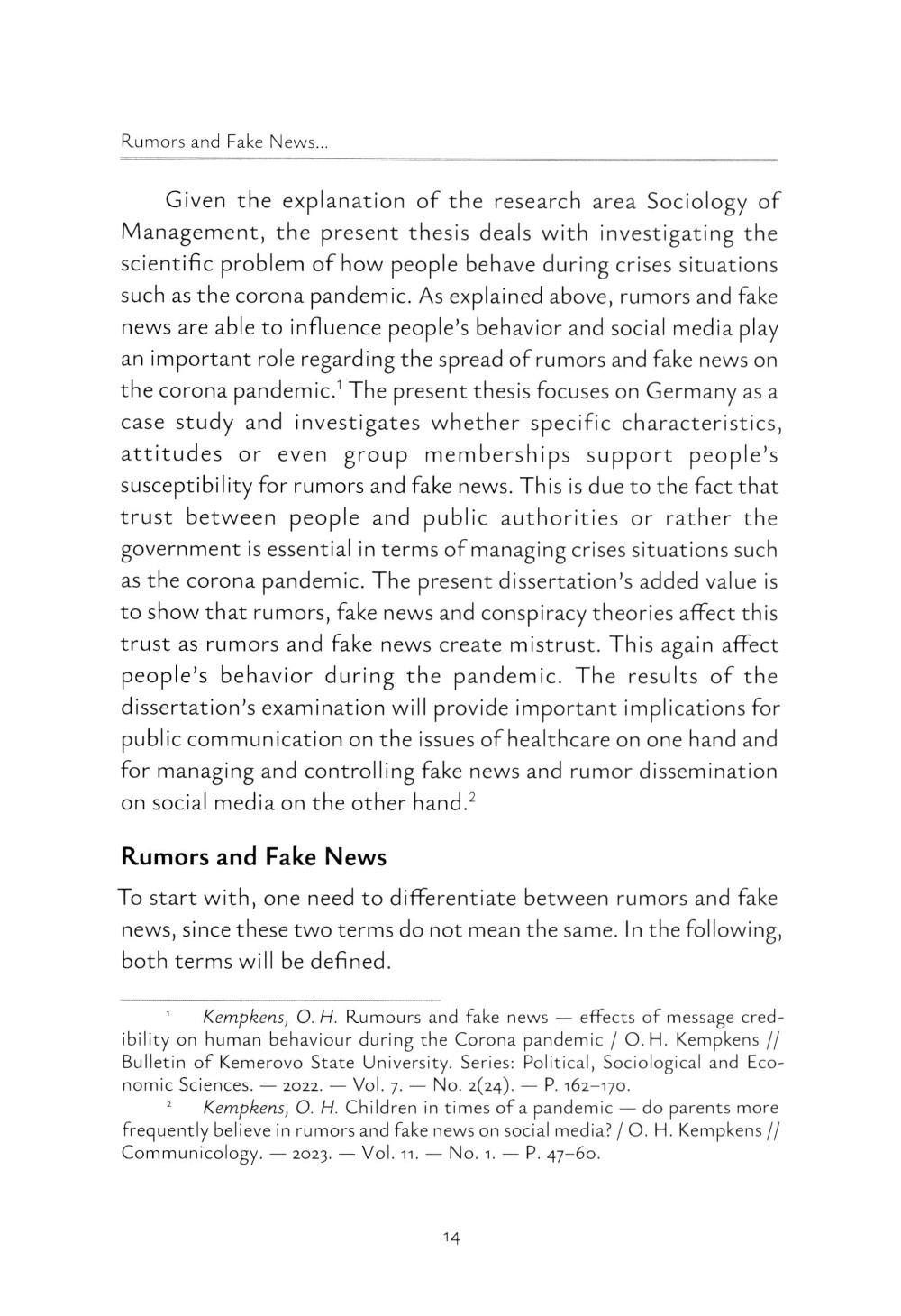
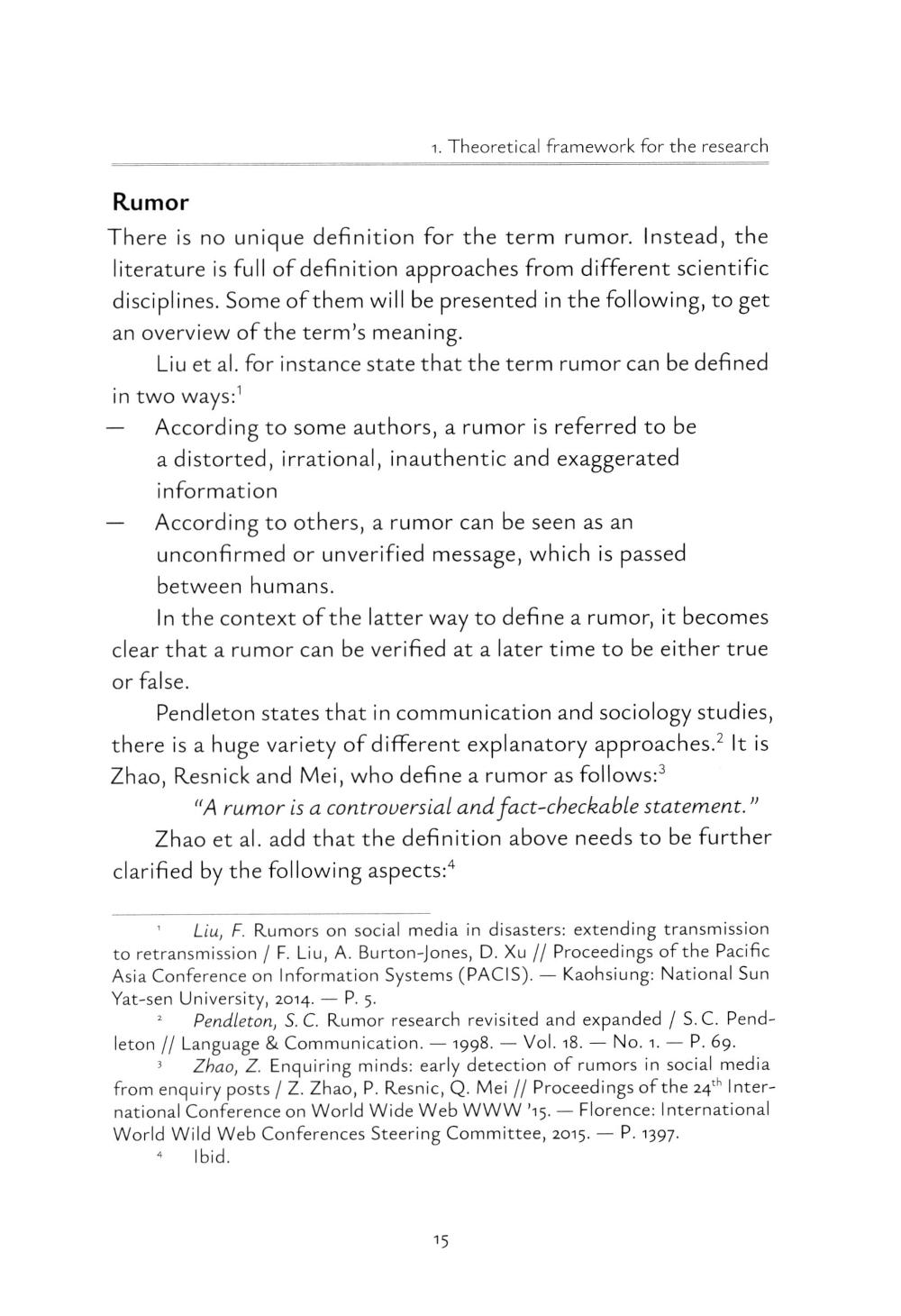
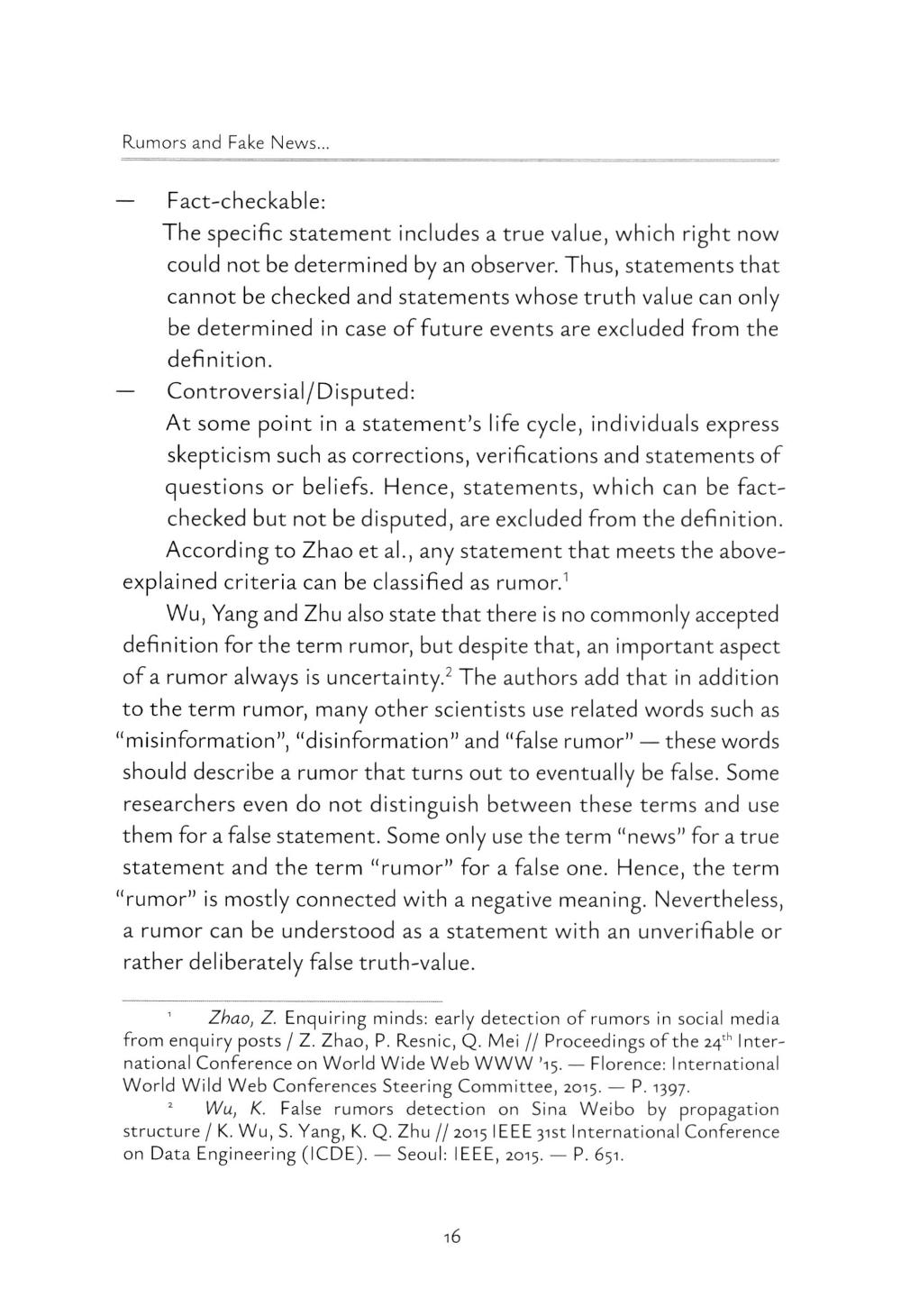
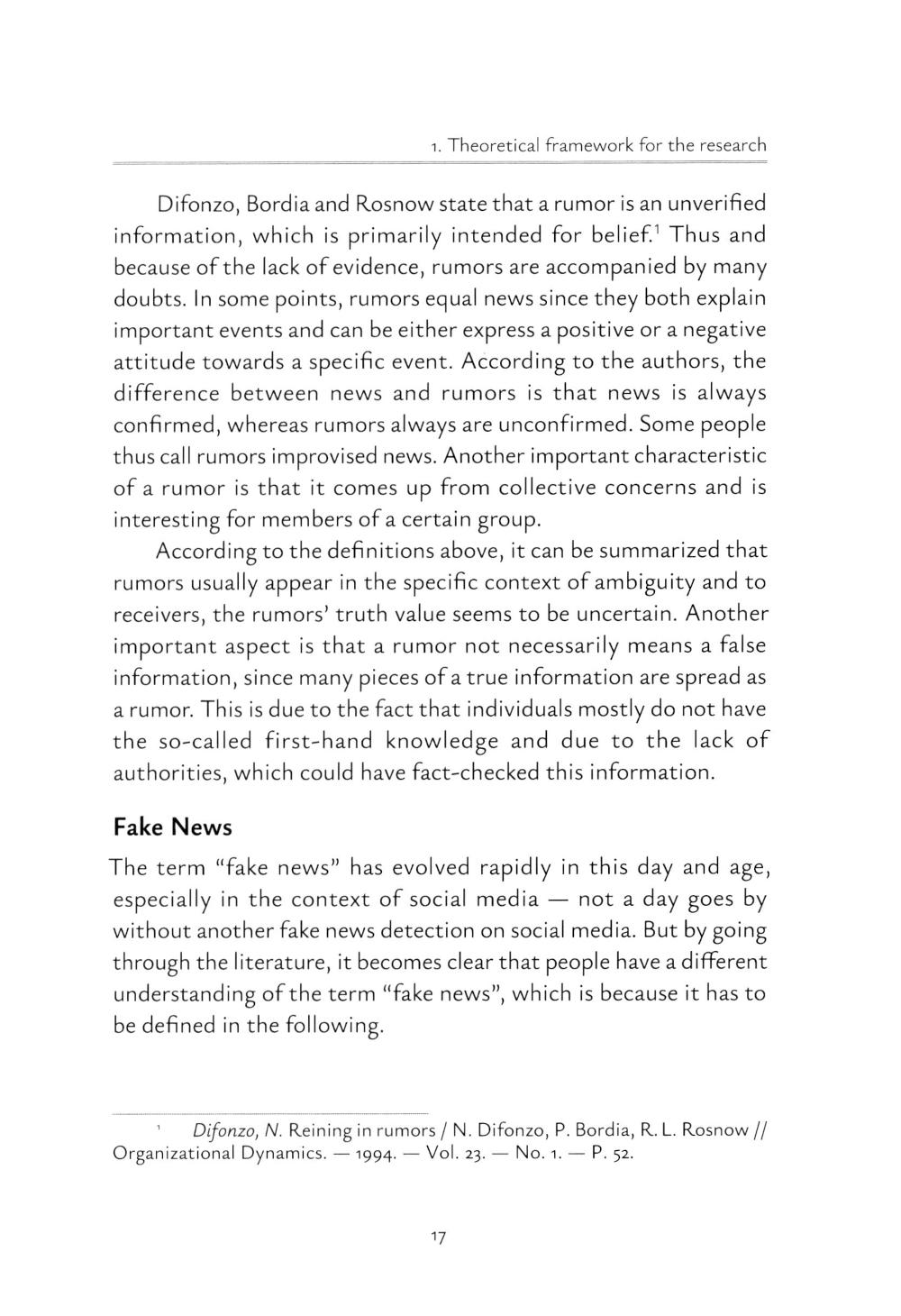
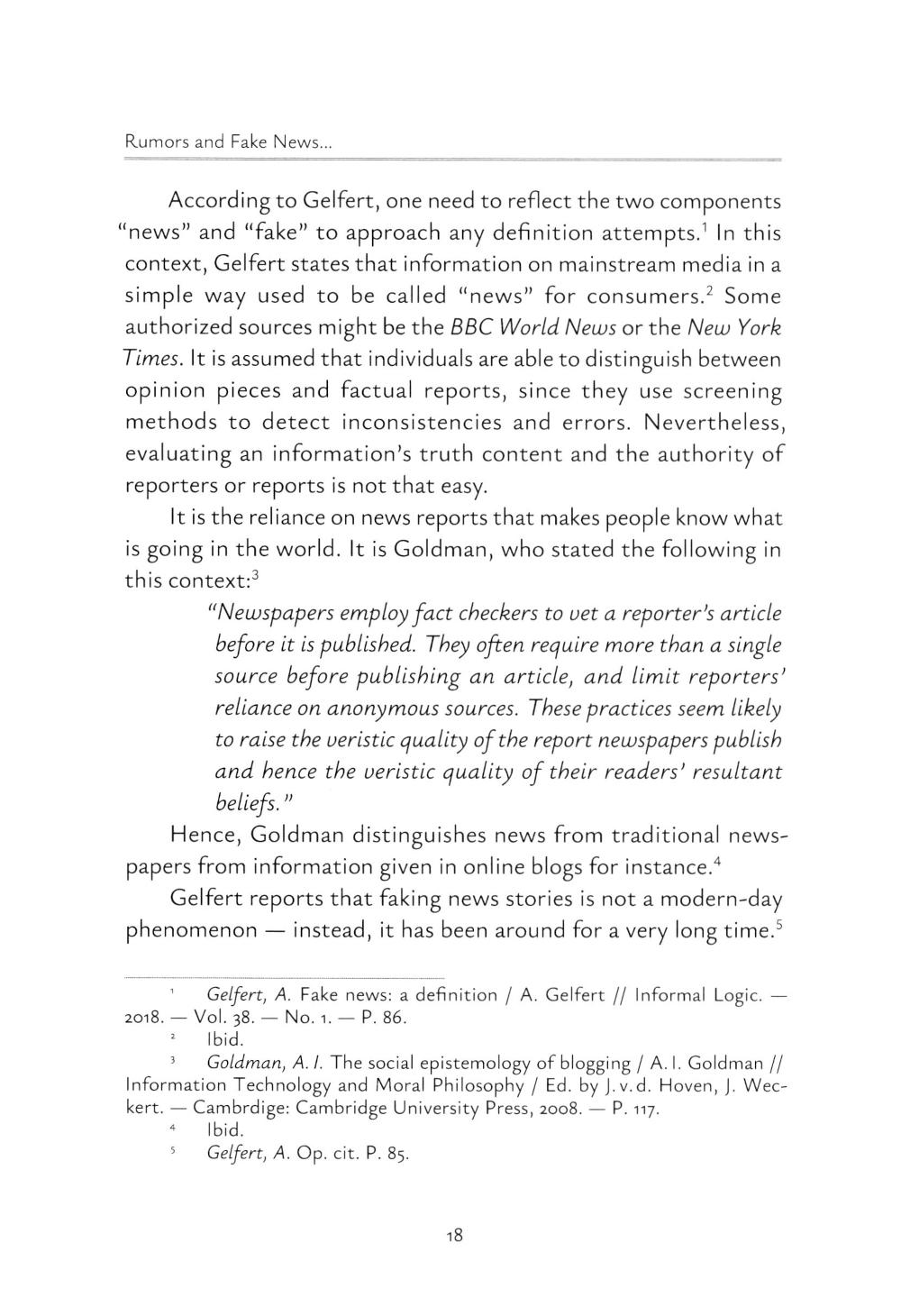
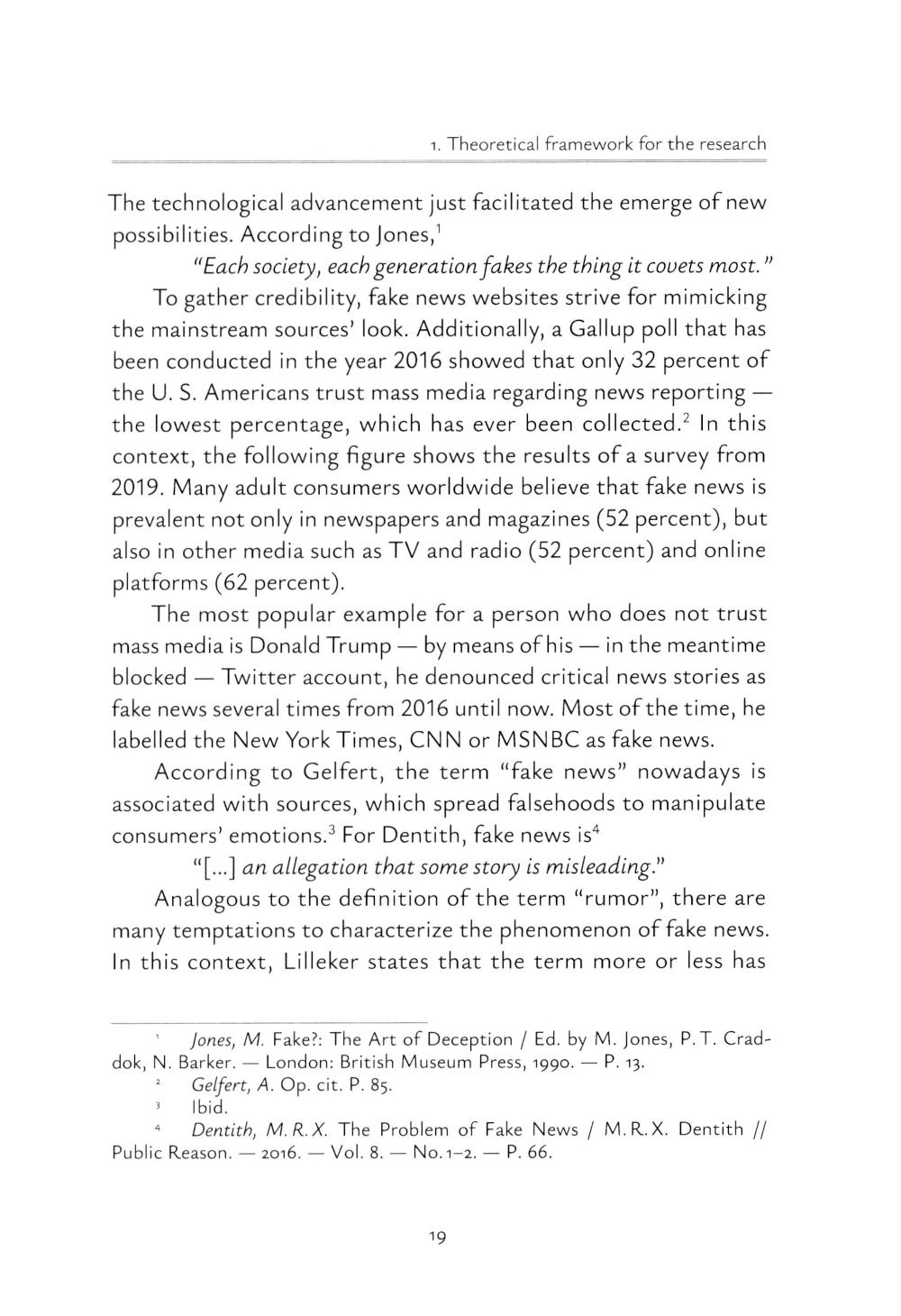
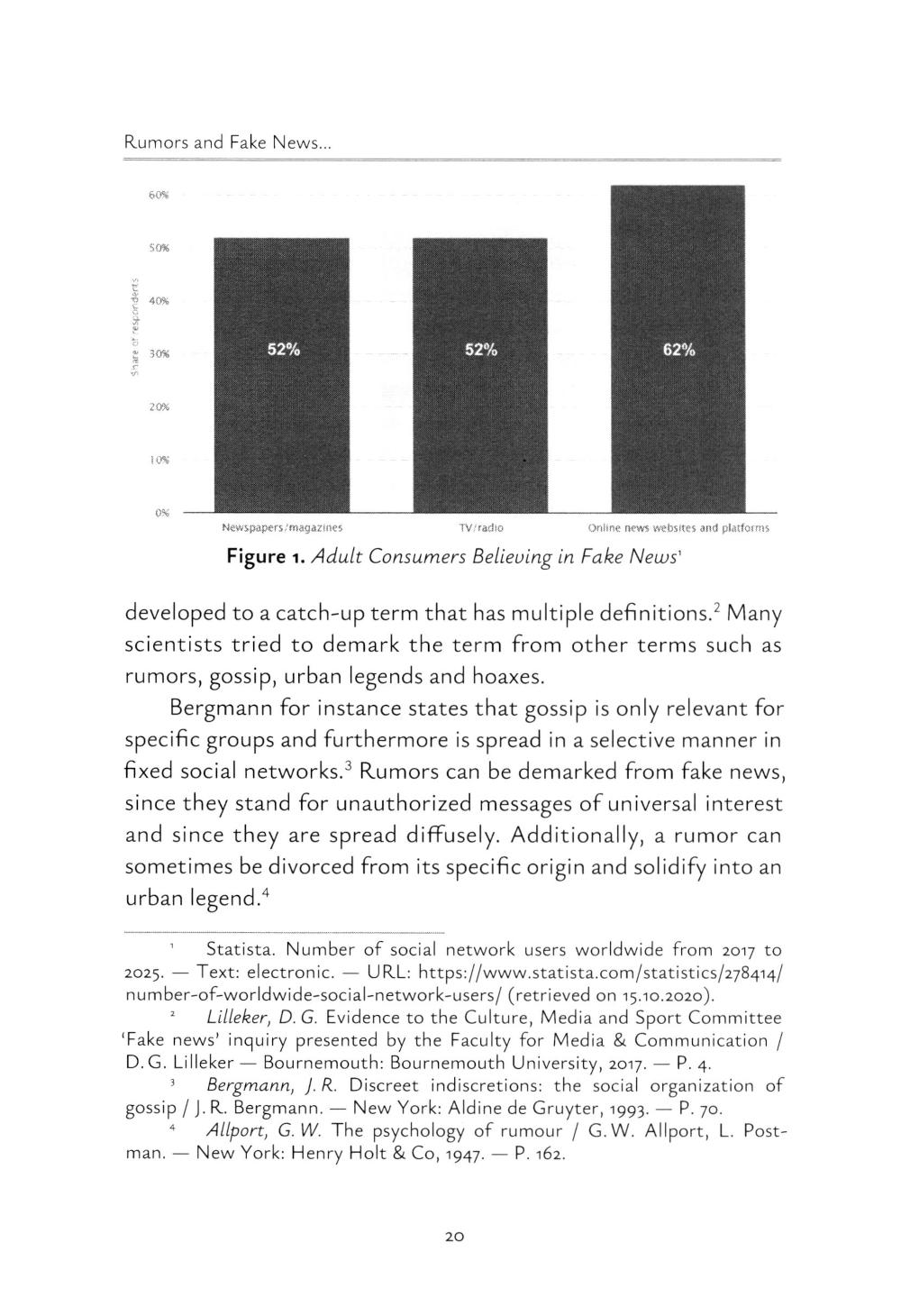
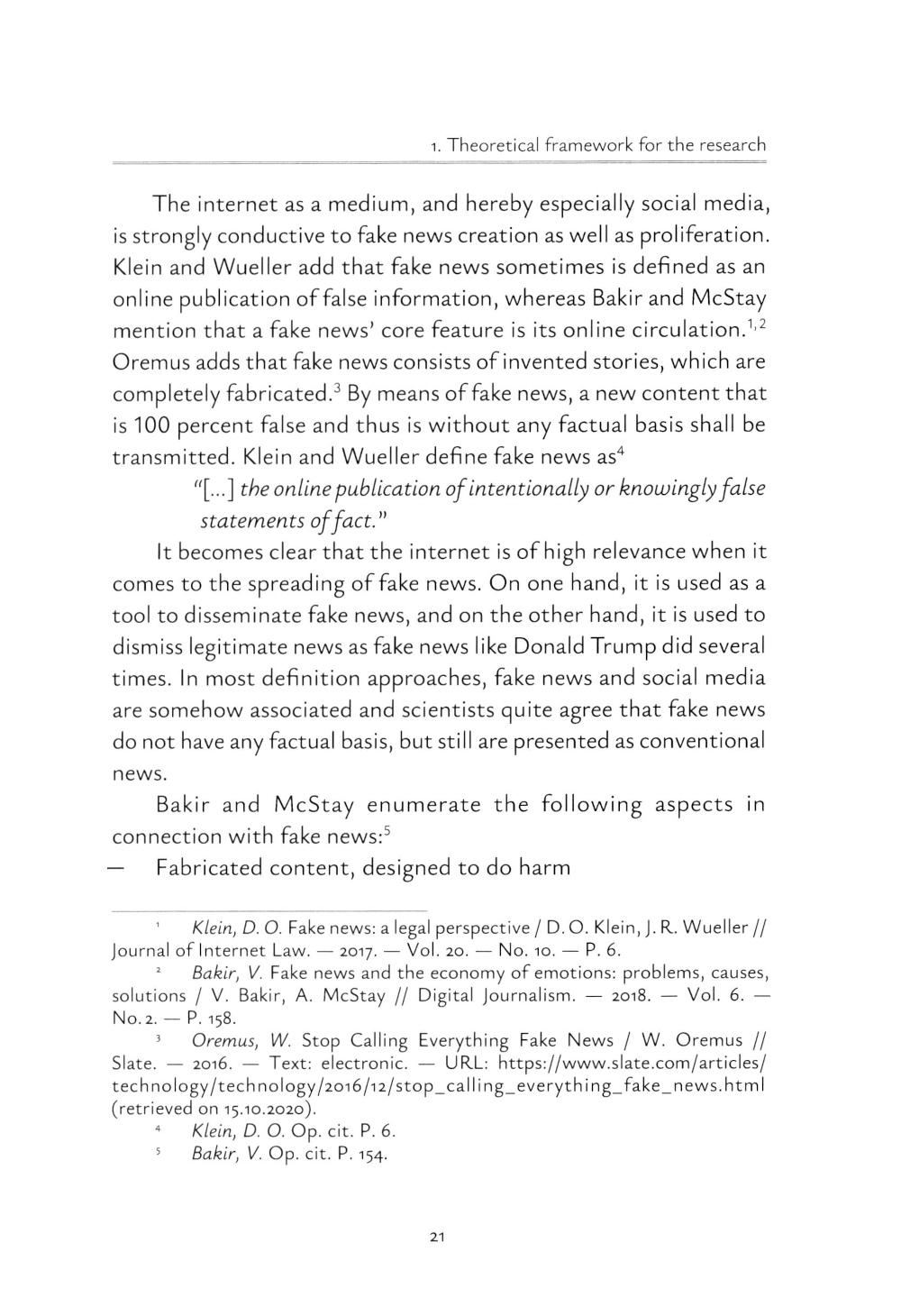
Аннотация: Rumours and Fake News - Effects of Message Credibility on Human Behaviour During the COVID-19 Pandemic: monograph: на англ.яз
| Издательство | МГИМО-Университет |
| Автор/составитель | Кемпкенс Оливер |
| Серия | MGIMO International |
| Год выпуска | 2026 |
| Кол-во страниц | 278 |
| ISBN | 978-5-9228-3135-2 |
| Обложка | мягкая обложка |
| Вес | 346г |
| Формат | 14 x 20 cm |
| Тираж | 1000 |
| Возрастная категория | 16+ |
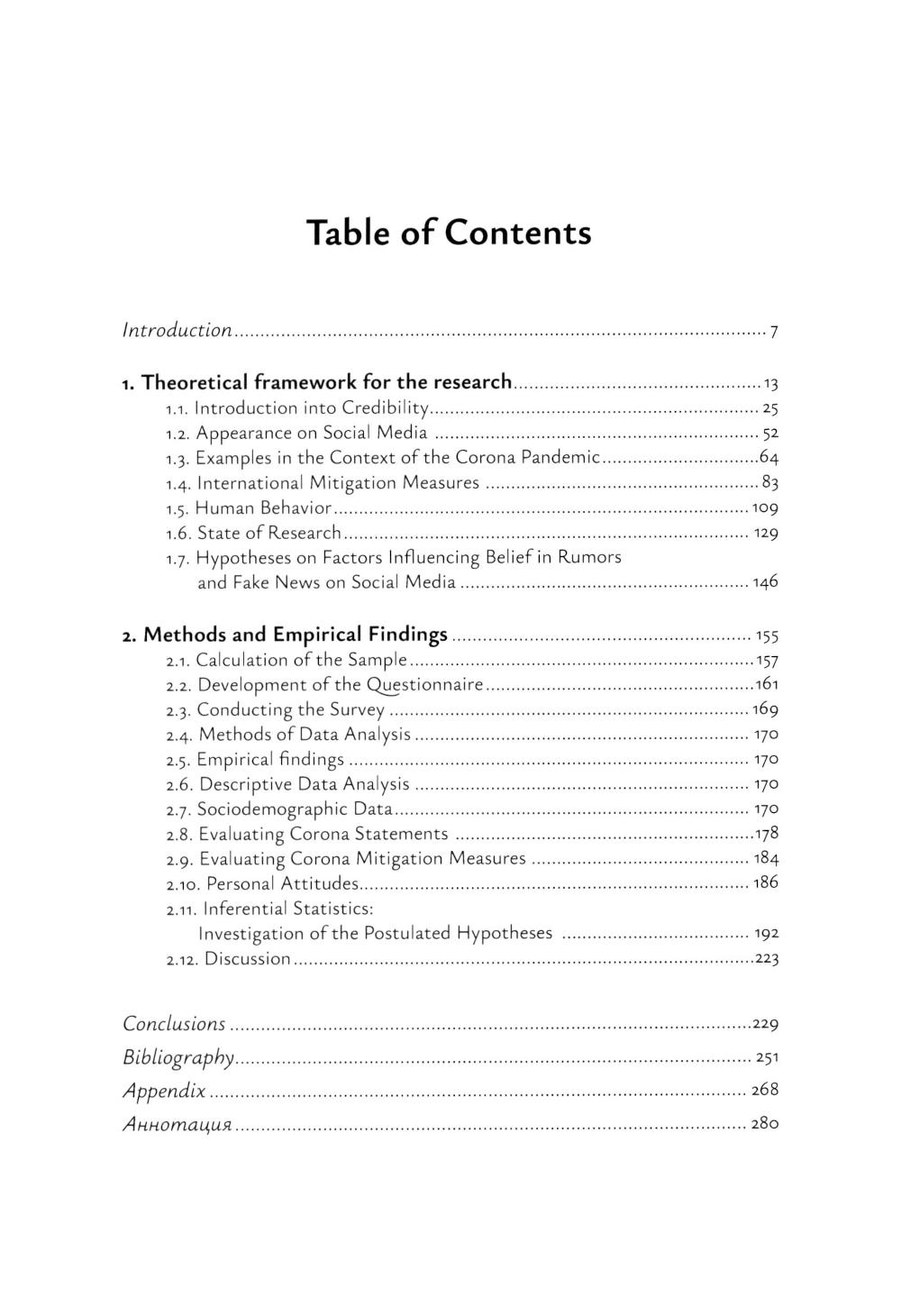
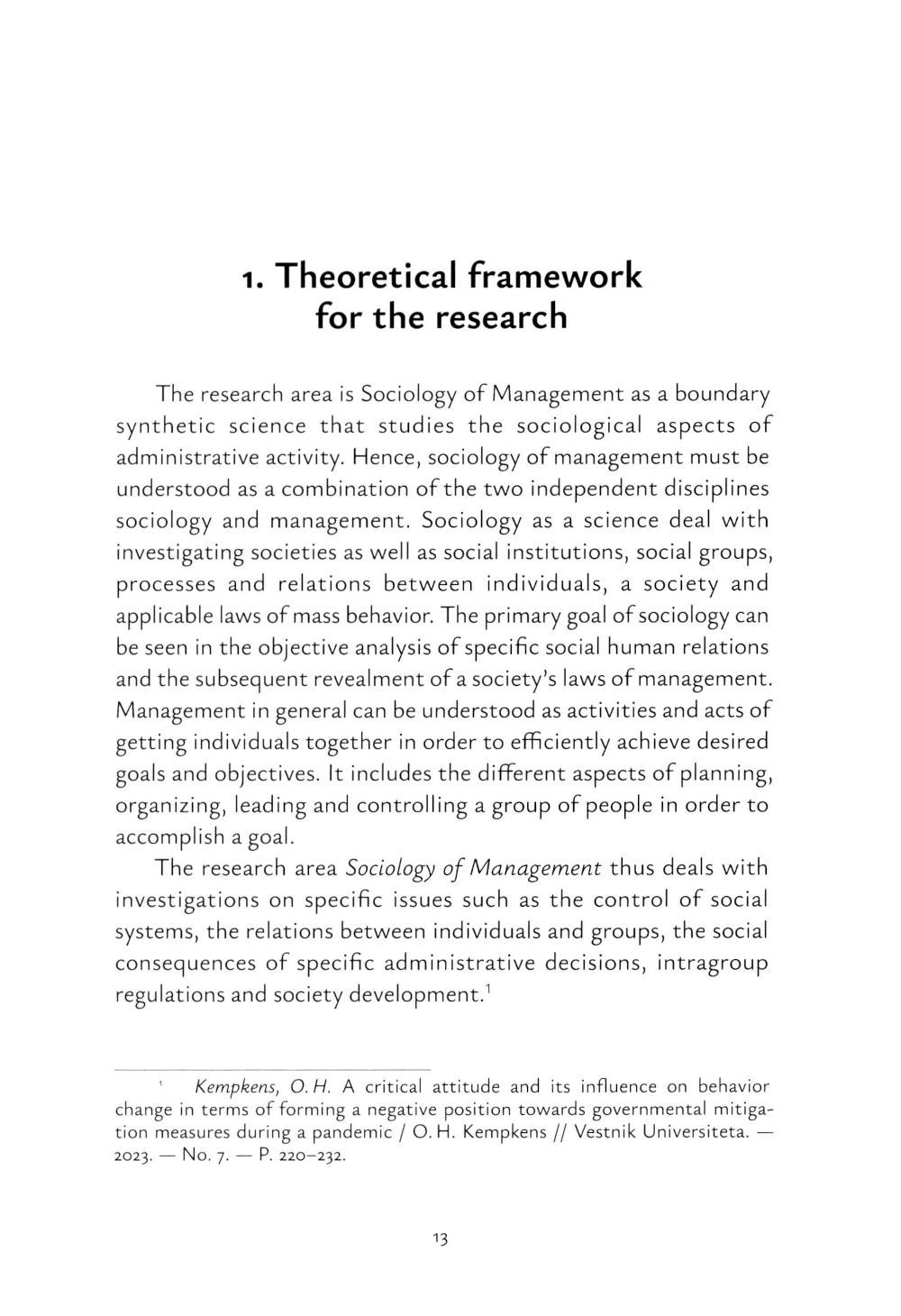
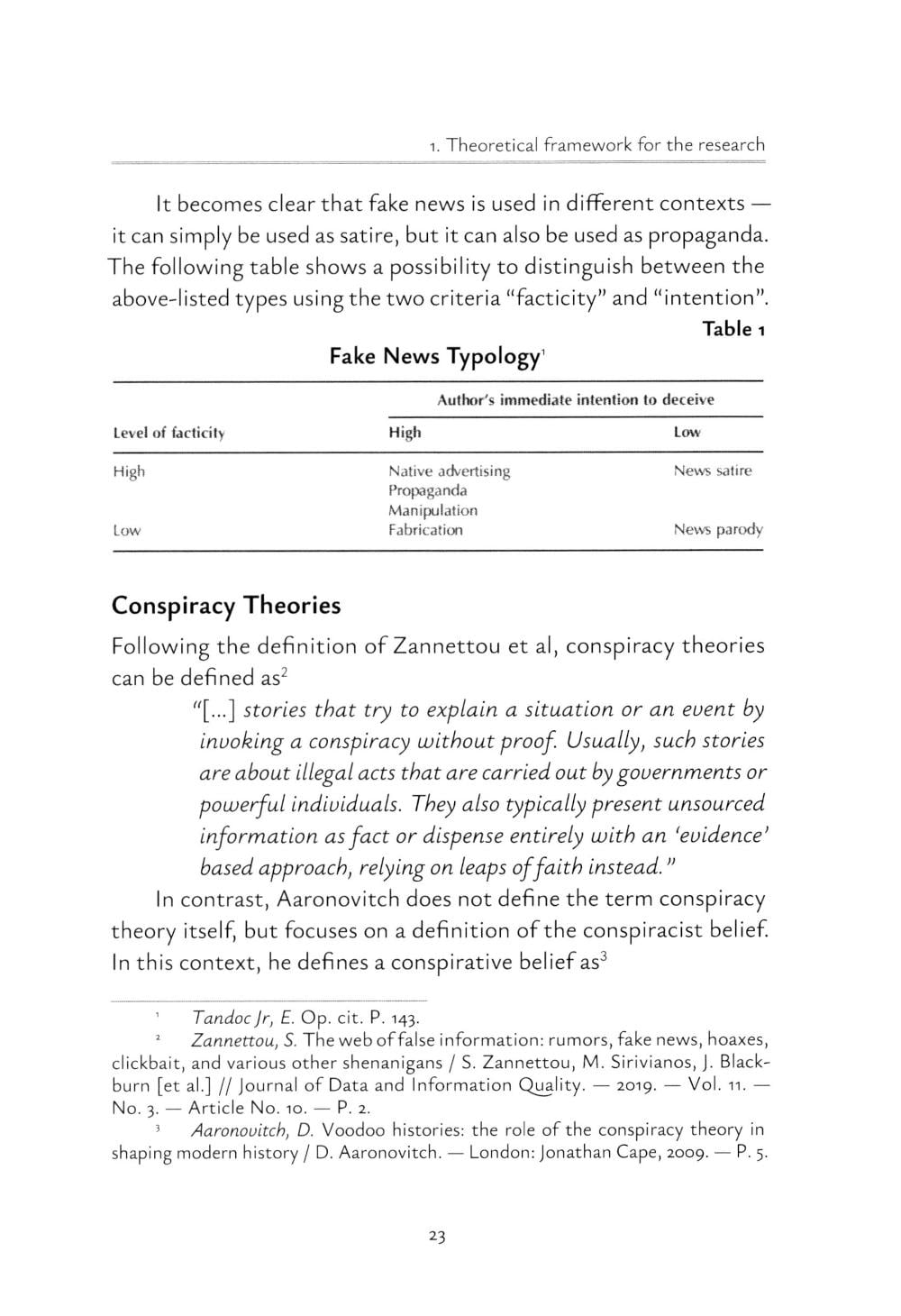
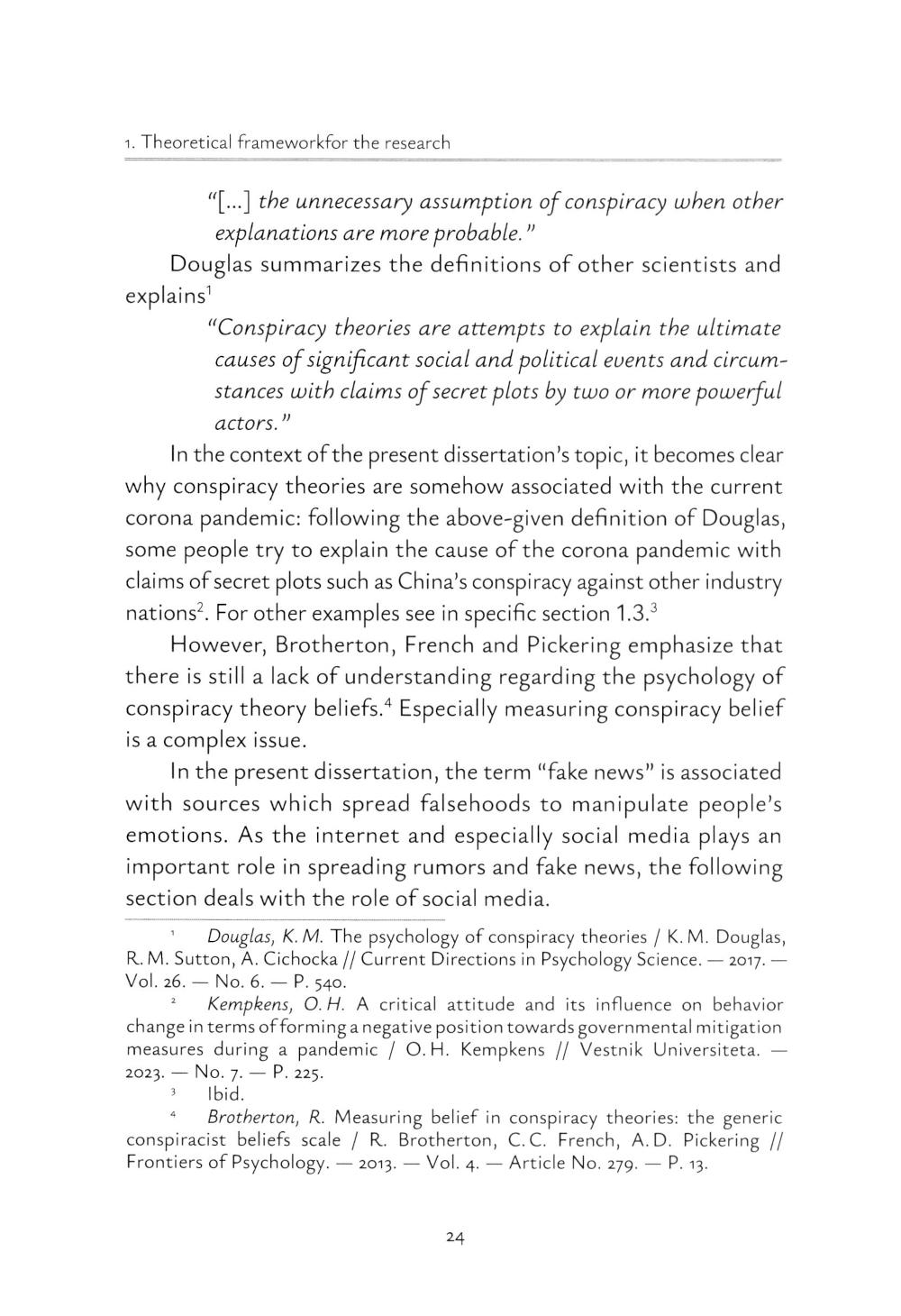
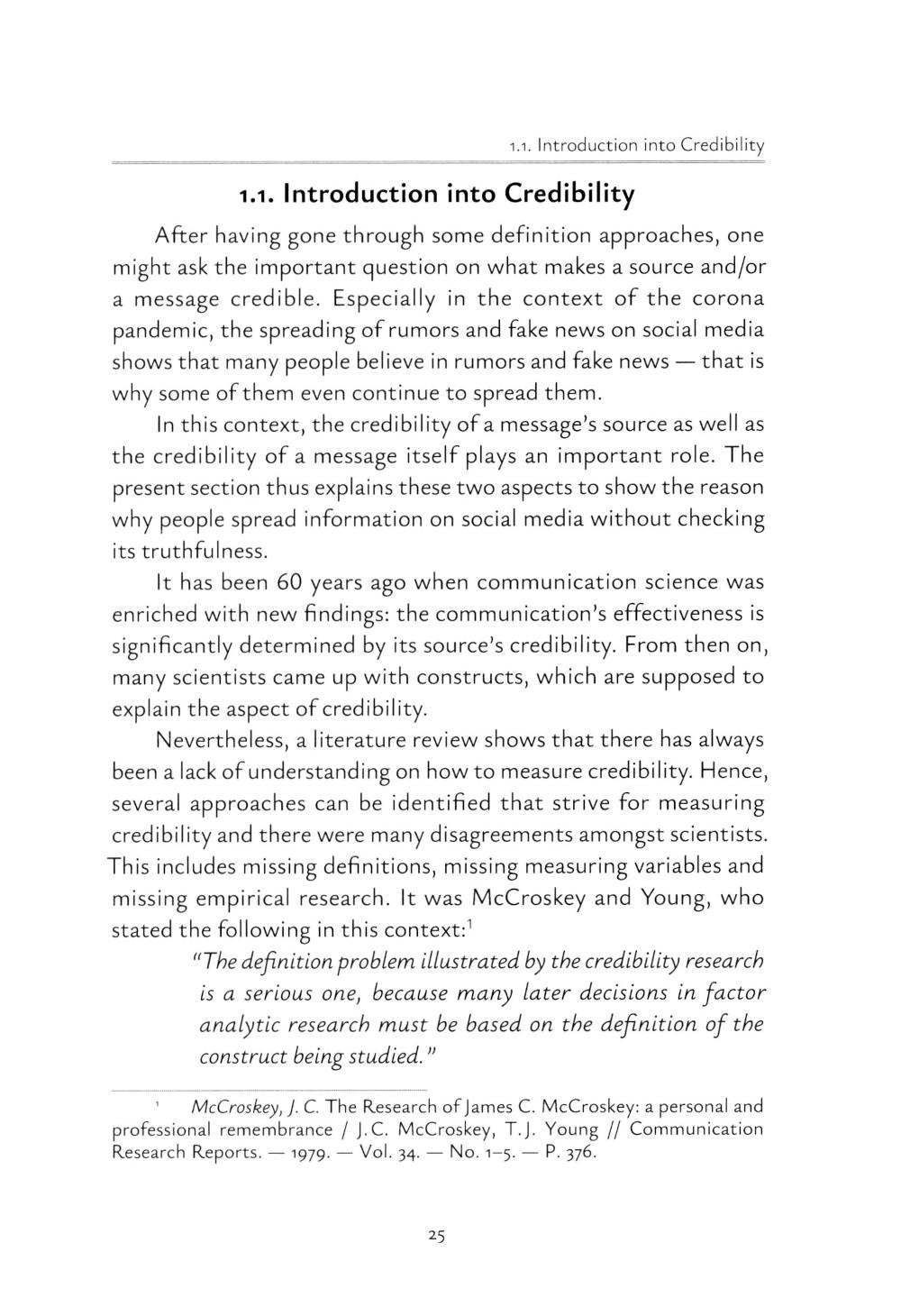
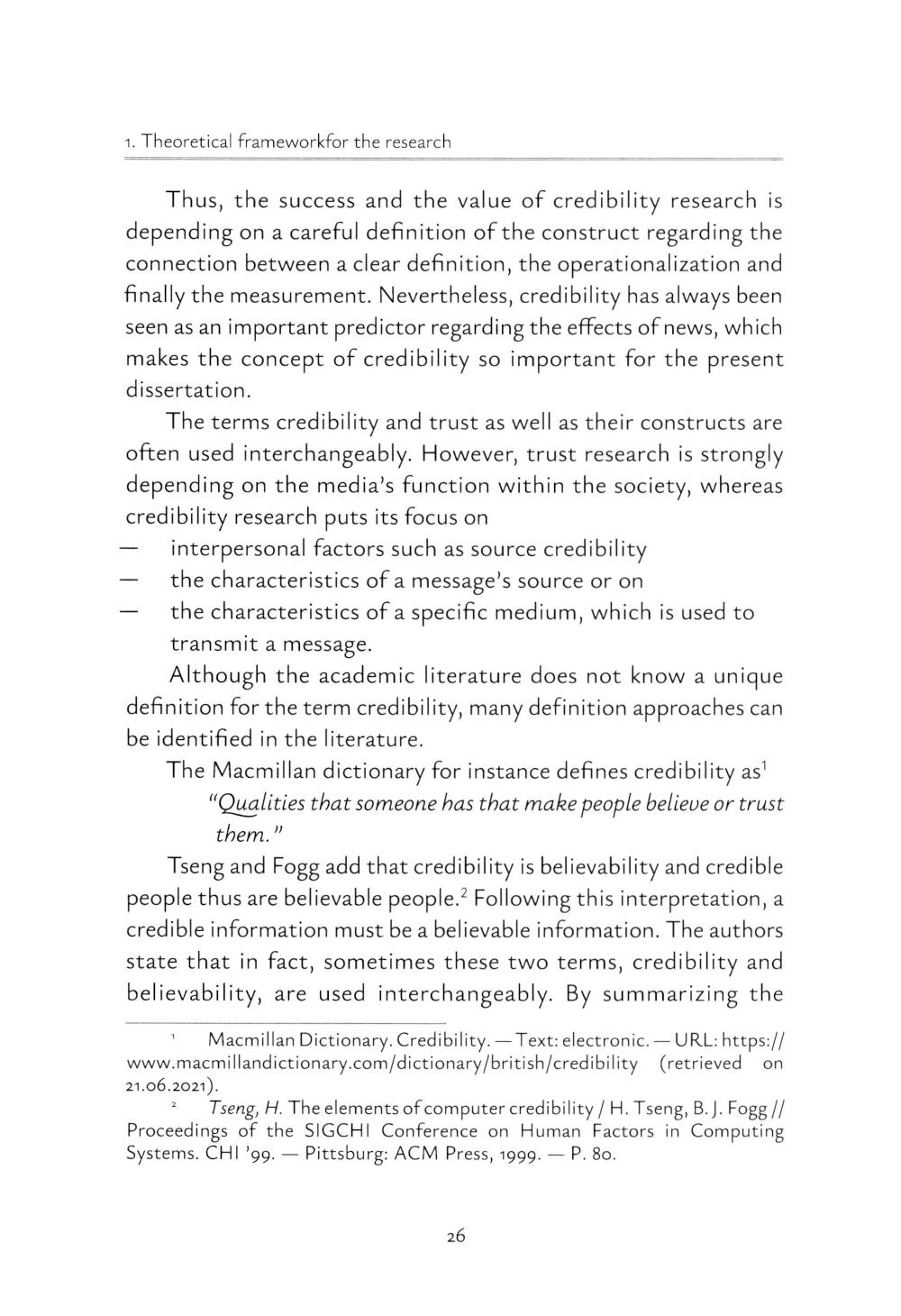
This monograph analyzes one of the key phenomena of our time - the influence of false information on human behavior during the COVID-19 crisis. Issues of trust in information, resilience to disinformation, and the formation of public behavior in the digital age extend far beyond a single crisis and touch upon all aspects of modern society. The author employs an interdisciplinary approach, combining socio-logical, behavioral, and communication analysis methods, consistently uncovering the theoretical foundations of the concepts of «rumors,» «fake news,» and «conspiracy theories,» focusing on the specifics of their dissemination on social media. The findings on the relationship between susceptibility to rumors and fake news and individual characteristics (age, presence of children, level of trust in the government, etc.) are of scientific value. The author also identifies patterns of behavior under conditions of information uncertainty. These results provide a starting point for developing effective crisis communication strategies, including government measures to combat disinformation. For specialists in the field of sociology and social psychology.
Читать далее →
Бесплатная Доставка по Европе (EU)*
*Для заказов свыше 40,- евро Подробнее
Rumours and Fake News - Effects of Message Credibility on Human Behaviour During the COVID-19 Pandemic: monograph: на англ.яз
-38%- Производитель: МГИМО-Университет
- Модель: TEEI12105340
- ISBN 978-5-9228-3135-2
-
Наличие:
Есть в наличии
14.13€
-38%
8.76€
Нашли этот товар по более низкой цене?
Во-первых - Вы молодец!
Во-первых - Вы молодец!
Просим Вас сообщить нам:
