 Google


Аннотация: Miro
| Автор/составитель | Mink Janis |
| Год выпуска | 2016 |
| ISBN | 978-3-8365-2923-5 |
| Обложка | твердый переплет |
| Дата выпуска | 2016 г. |
| Количество томов | 1 |
| Количество страниц | 96 |
| Переплет | твердый |
| Размеры | 262x213x10 мм |
| Страна изготовления | Германия |
| Вес | 196 |
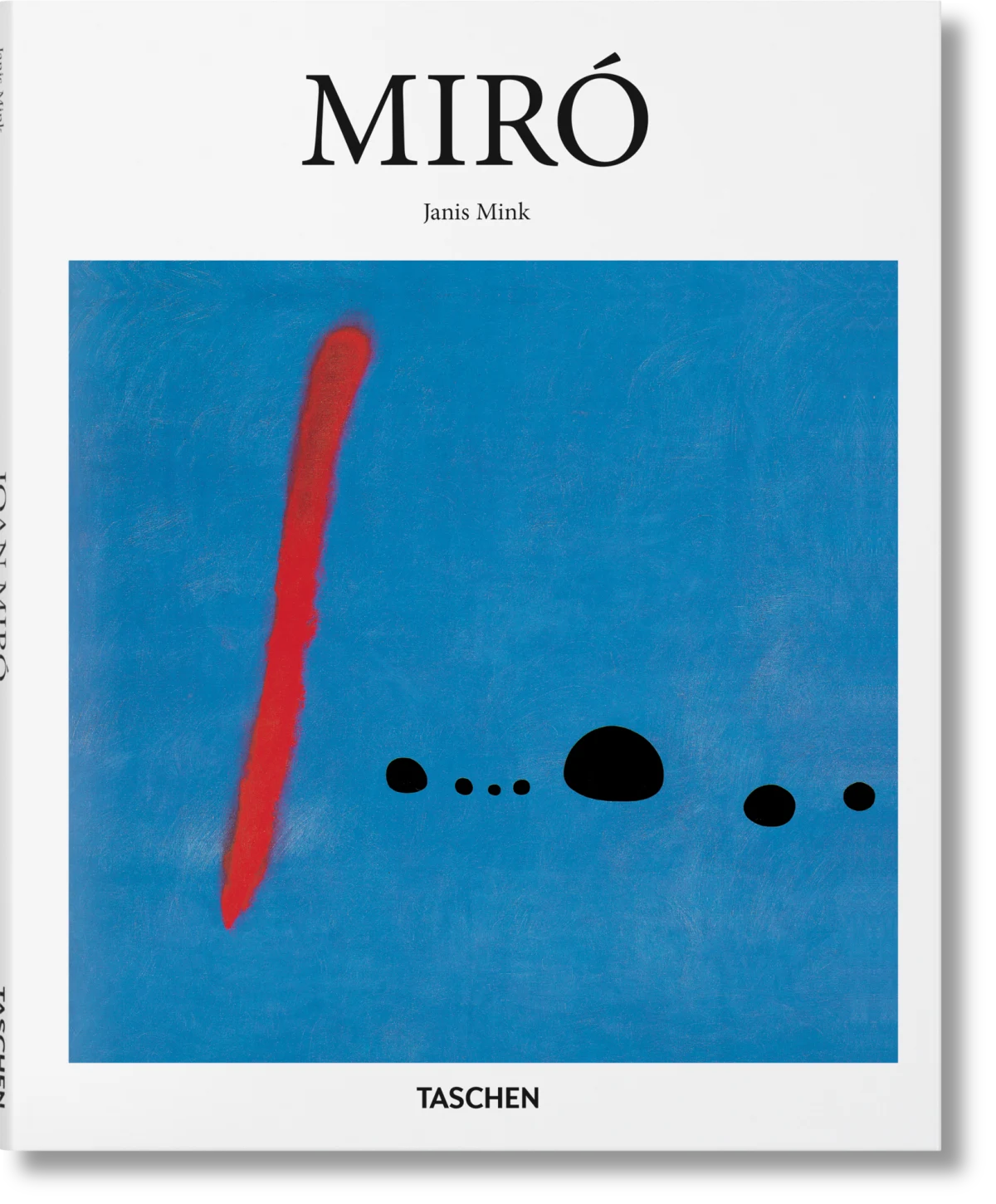
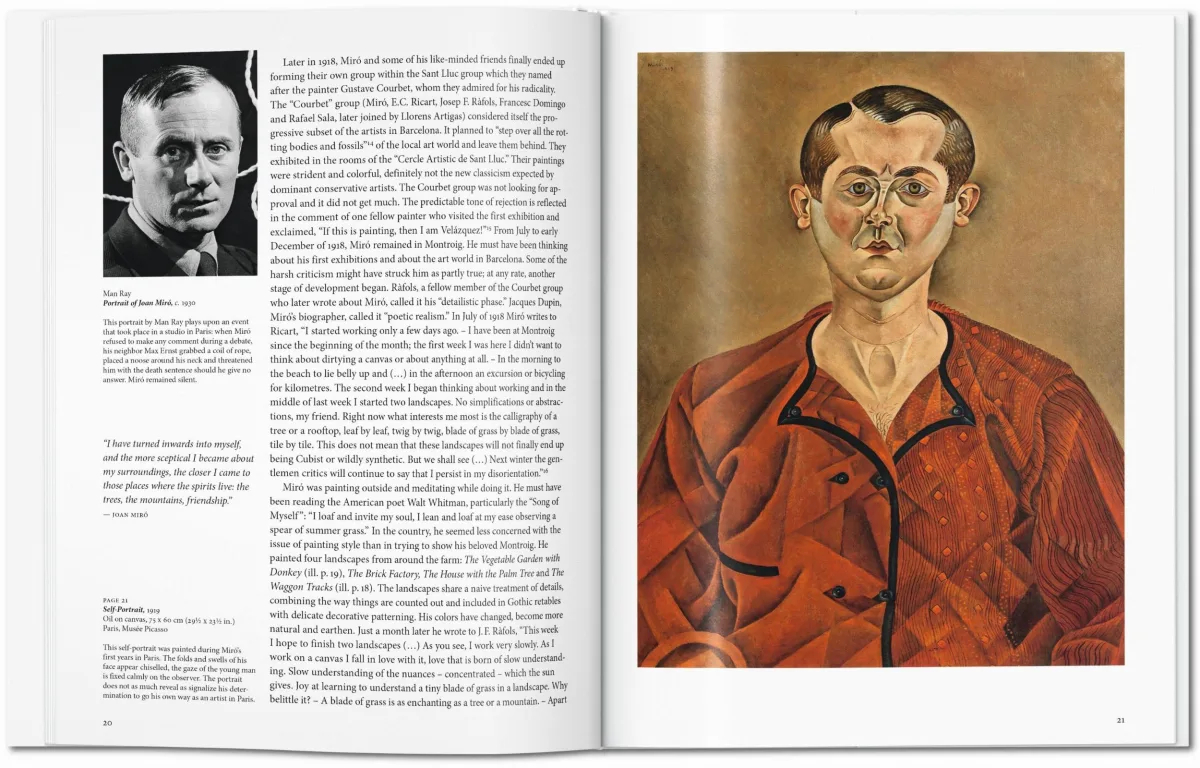
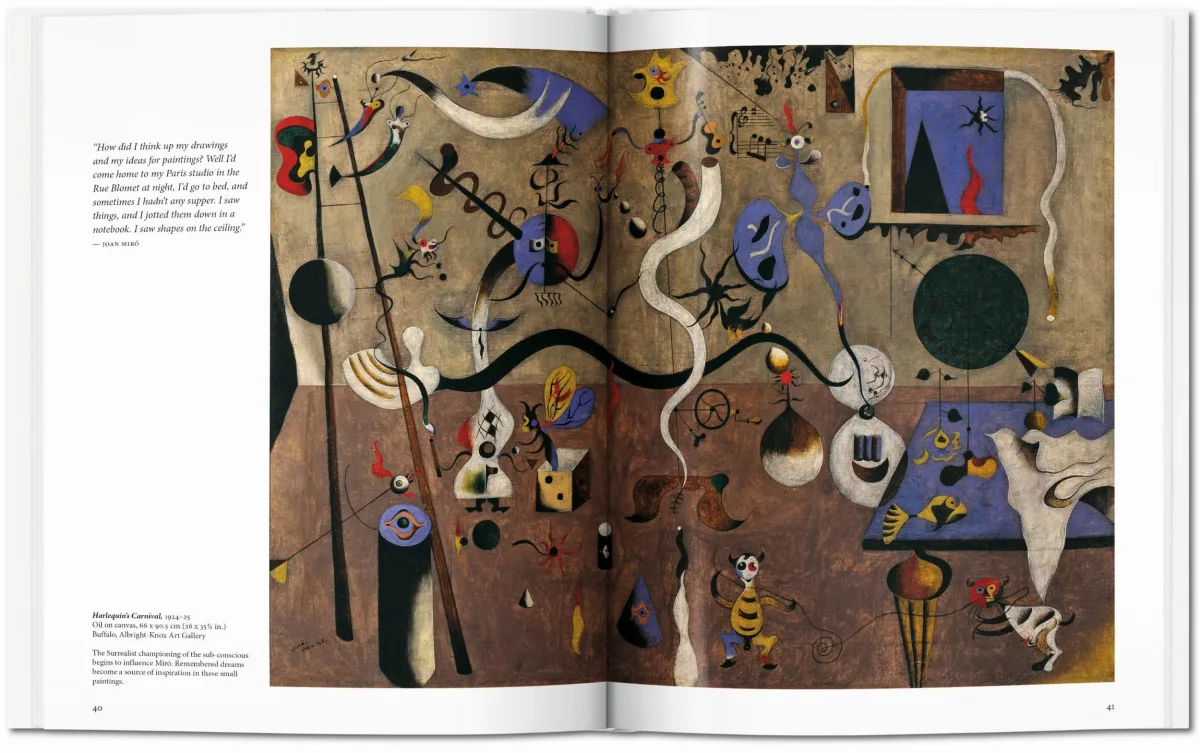
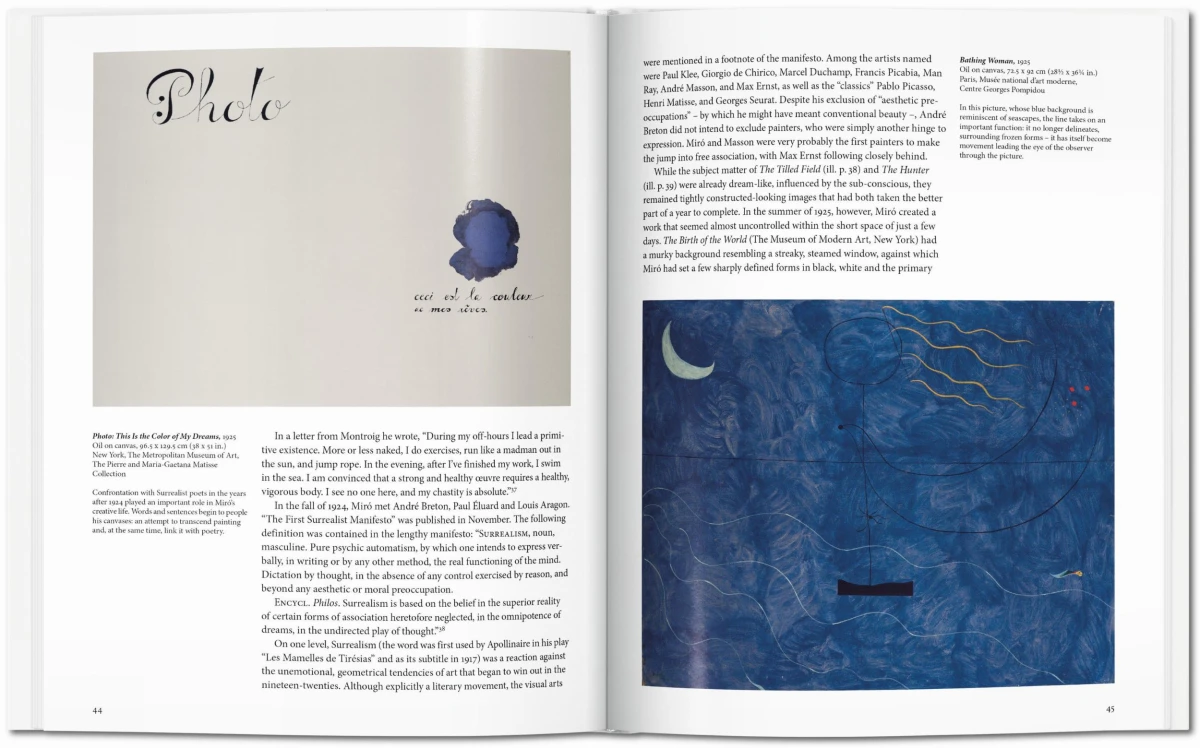
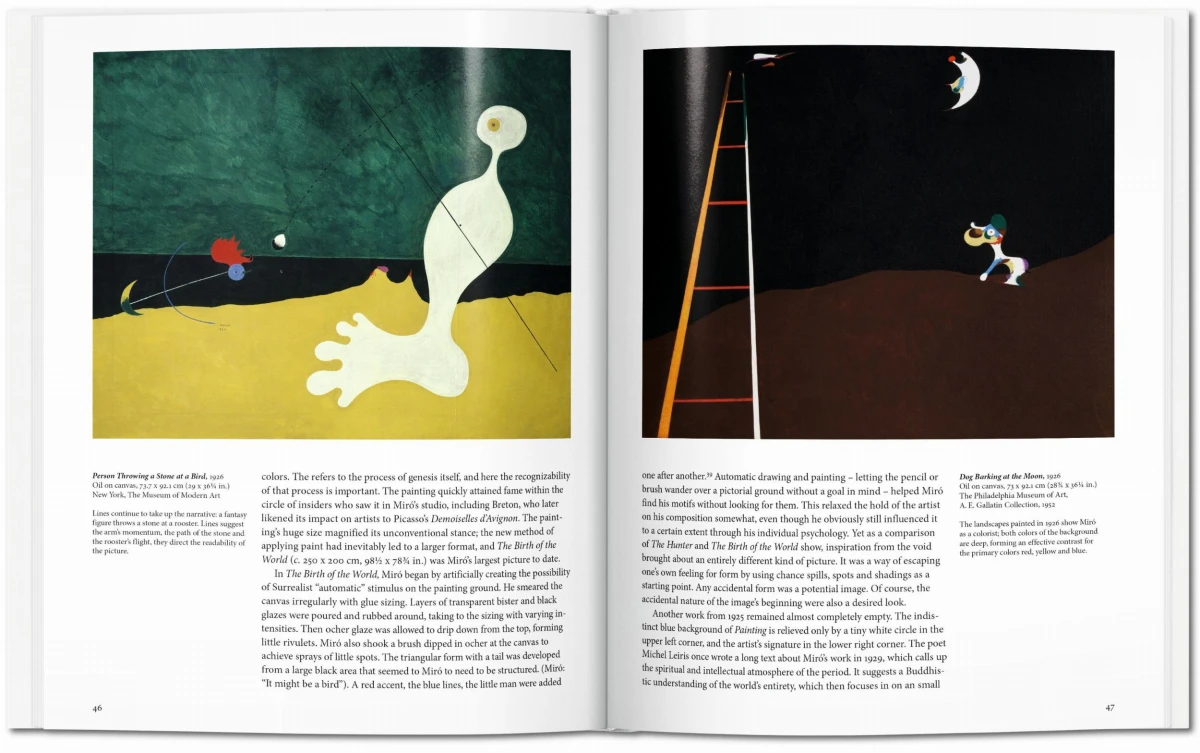
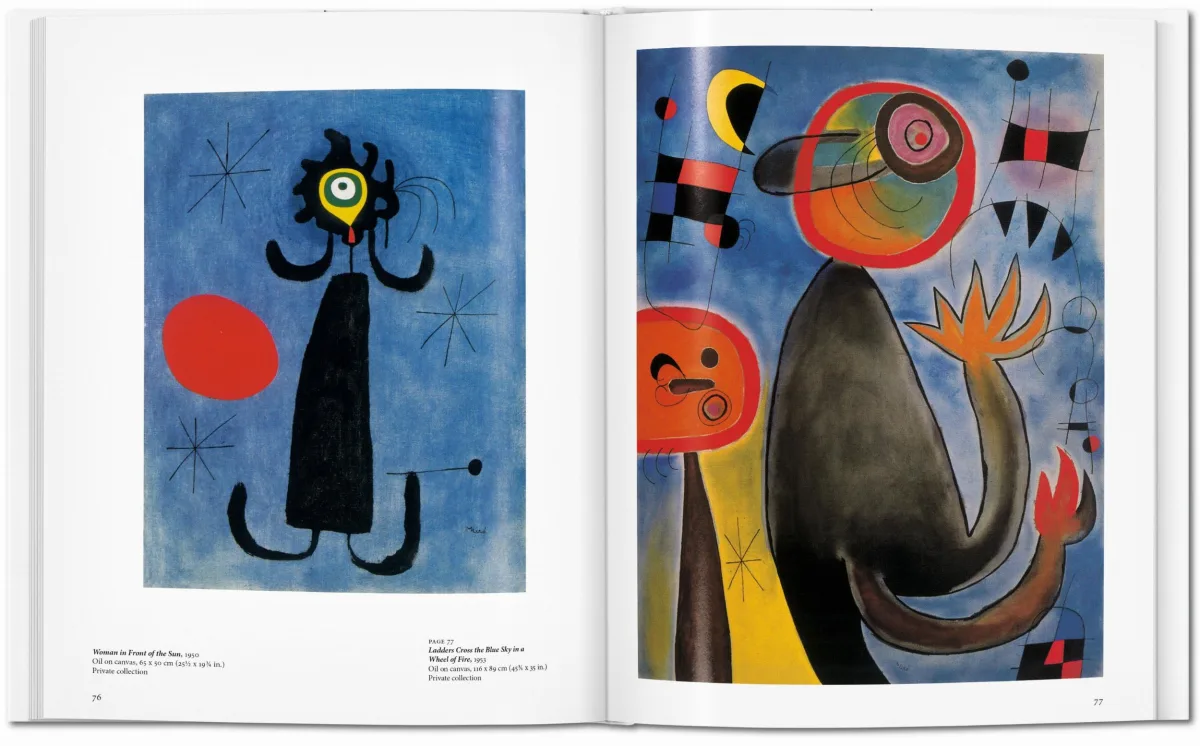
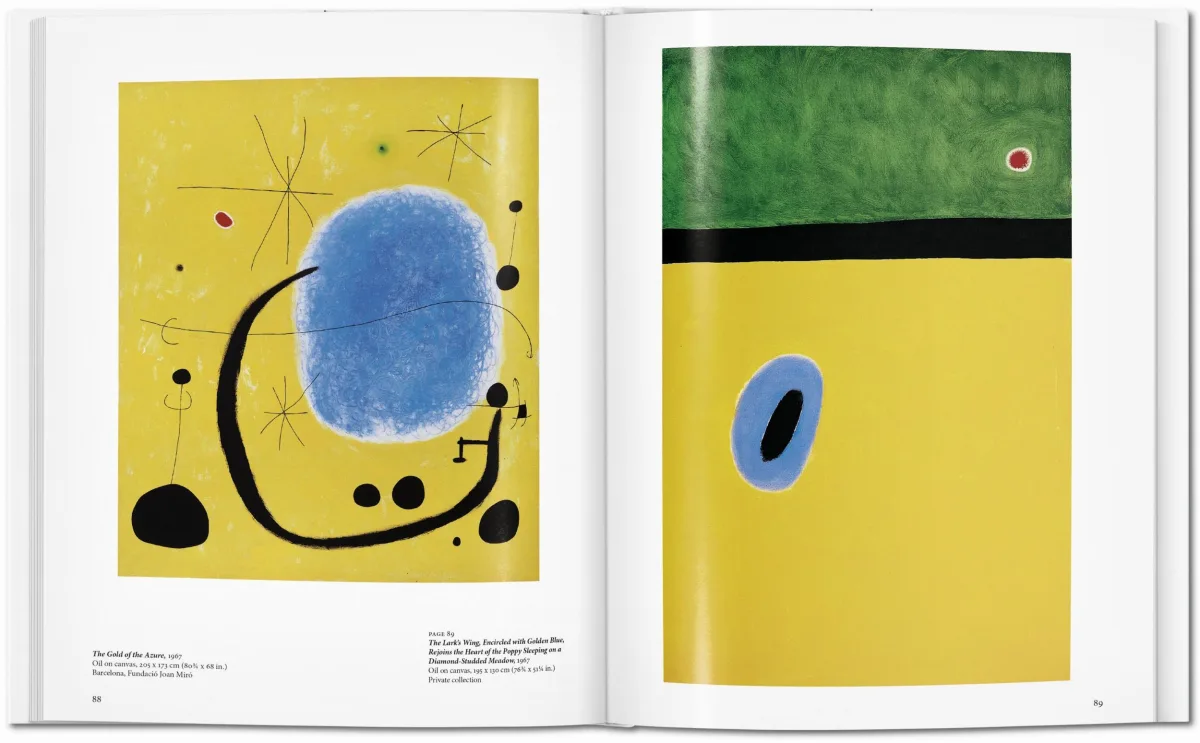
Assassinator of painting: The artist who upset the establishment Joan Miro (1893-1983) is one of the most significant Spanish painters of the 20th century. The themes and treatments of his early work were shaped by the Catalan landscape and clearly show the influence of Fauvism and Cubism. During his travels, Miro encountered the intellectual avant-garde of his time; his friends included Francis Picabia, Tristan Tzara, Andre Masson, Jean Arp and Pablo Picasso. From the mid-1920s onward, Miro strove to leave direct objective references behind and developed the pictograms that typify his style. The pictures of this period, which include perhaps the most beautiful and significant of his whole oeuvre, dispense with spatiality and an unambiguous reference to objects. From then on, the surfaces were defined by numerals, writing, abstract emblems, and playful figures and creatures. In the postwar years he began producing graphic works, ceramics, monumental murals, and sculptures. In these works, too, the Catalan artist sought the solid foundation of a figurative, symbolic art, featuring faces, stars, moons, rudimentary animal forms, and letters. Joan Miro developed in several stages his characteristic flowing calligraphic style and his world of forms resembling shorthand symbols in several stages. From Fauvism to Surrealism by way of his original childlike style, Miro sought to shake up the establishment and in doing so made a name for himself.
Бесплатная Доставка по Европе (EU)*
*Для заказов свыше 40,- евро Подробнее
Miro
- Модель: MYSH2645452
- ISBN 978-3-8365-2923-5
-
Наличие:
Нет в наличии
