


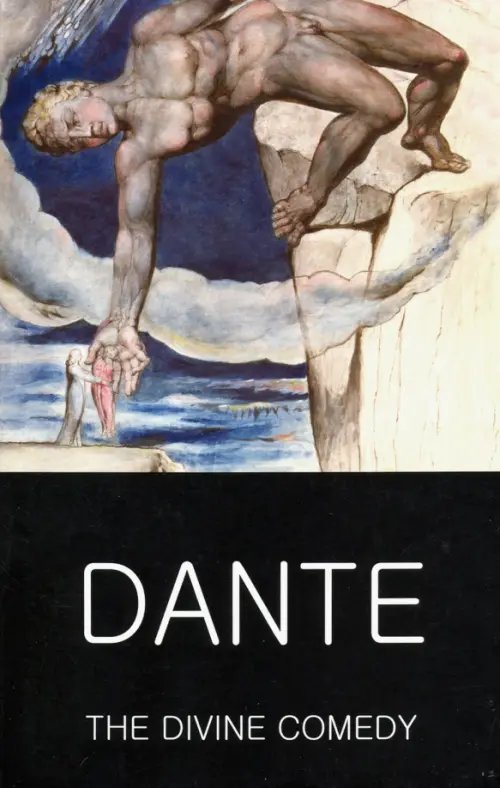
Аннотация: The Divine Comedy
| Autor/koostaja | Алигьери Данте |
| Sari | Classics |
| Ilmumisaasta | 2022 |
| ISBN | 9781840221664 |
| Tootja | Wordsworth |
| Kirjastus | Wordsworth |
| Количество томов | 1 |
| Lehekülgede arv | 566 |
| Köide | Мягкая обложка |
| Mõõdud | 200x130x30 мм |
| Цвет | Чёрный |
| Kaal | 420 |
| Keel | английский |
Данте Алигьери - одна из самых важных и новаторских фигур европейского средневековья. Написав "Божественную комедию" в изгнании из своей родной Флоренции, он стремился обратиться к миру, сбившемуся с пути как морально, так и политически.
Комедия рассказывает о путешествии персонажа, который одновременно является и самим Данте, и обычным человеком, через три царства христианской загробной жизни: Ад, Чистилище и Рай. Он представляет видение загробной жизни, которое поразительно оригинально по своей концепции, со сложной архитектурой и последовательной структурой. В этом путешествии главный герой Данте - и его читатель - встречают персонажей, которые по-разному благородны, гротескны, обольстительны, внушают страх, смешны, вызывают восхищение, ужасающи и нежны, и через них ему показаны последствия греха, раскаяния и добродетели, поскольку он учится избегать Ада и, пройдя очищение в Чистилище, вкусить радости Рая.
Книга на английском языке.
Dante Alighieri (1265-1321) is one of the most important and innovative figures of the European Middle Ages. Writing his Comedy (the epithet Divine was added by later admirers) in exile from his native Florence, he aimed to address a world gone astray both morally and politically. At the same time, he sought to push back the restrictive rules which traditionally governed writing in the Italian vernacular, to produce a radically new and all-encompassing work.
The Comedy tells of the journey of a character who is at one and the same time both Dante himself and Everyman through the three realms of the Christian afterlife: Hell, Purgatory and Heaven. He presents a vision of the afterlife which is strikingly original in its conception, with a complex architecture and a coherent structure. On this journey Dante's protagonist - and his reader - meet characters who are variously noble, grotesque, beguiling, fearful, ridiculous, admirable, horrific and tender, and through them he is shown the consequences of sin, repentance and virtue, as he learns to avoid Hell and, through cleansing in Purgatory, to taste the joys of Heaven.
Tasuta tarne Euroopas (EL)*
*Üle 40,- euro tellimustele Loe edasi
The Divine Comedy
- Tootja: Wordsworth
- Mudel: MYSH499179
- ISBN 9781840221664
-
Saadavus:
Нет в наличии